Furniture Import Customs Clearance in UAE: A Comprehensive Guide for 2026
Furniture Import Customs Clearance in UAE
Importing furniture into the United Arab Emirates (UAE) can be a lucrative opportunity for businesses looking to tap into the thriving real estate and hospitality sectors. With Dubai and Abu Dhabi leading as global hubs for luxury living and commercial developments, the demand for high-quality furniture remains strong. However, navigating the customs clearance process requires a solid understanding of UAE regulations to avoid delays, penalties, or unexpected costs. As experts in UAE business compliance, KGRN guide importers through these complexities, ensuring seamless operations from documentation to tax optimization.
In this SEO-optimized guide, we'll cover everything you need to know about furniture import customs clearance in the UAE, including procedures, required documents, duties, and practical tips. Whether you're a first-time importer or scaling your operations, this article provides actionable insights grounded in current regulations as of 2026.
Getting your furniture through customs clearance UAE procedures doesn't have to be overwhelming when you know the right steps. We'll walk you through the essential UAE import regulations furniture businesses must follow, including required documentation, duty calculations, and compliance standards. You'll also learn practical cost optimization strategies that can significantly reduce your furniture import costs UAE while avoiding expensive delays and penalties that catch many first-time importers off guard.
Understanding UAE Furniture Import Regulations

Essential Documentation Requirements for Smooth Clearance
Getting your furniture import UAE paperwork right from the start saves you from headaches down the road. The customs clearance UAE process demands specific documents that must be accurate and complete before your shipment arrives.
Your commercial invoice needs to show detailed descriptions of each furniture piece, including materials, dimensions, and country of origin. Don't just write "wooden chair" - specify "solid oak dining chair, 45cm x 50cm x 95cm, made in Vietnam." The packing list should match your invoice exactly, listing quantities and weights for each item.
The bill of lading serves as your shipment's passport, proving ownership and shipping details. Make sure all names and addresses match across all documents. You'll also need a certificate of origin, preferably issued by the Chamber of Commerce in the exporting country.
For wooden furniture, expect requests for fumigation certificates or phytosanitary certificates to prove pest treatment. Upholstered items might require additional health certificates, especially if they contain natural fibers or animal products.
Import permits become necessary for antique furniture or items containing protected materials. The UAE's CITES office handles permits for furniture made from endangered wood species like rosewood or ebony.
Key Government Agencies and Their Approval Processes
The UAE import regulations furniture landscape involves several government bodies, each with specific roles in your clearance journey. Dubai Customs, Abu Dhabi Customs, and other emirate-level authorities handle the primary inspection and duty collection processes.
The Emirates Authority for Standardization and Metrology (ESMA) oversees quality standards and safety requirements. They're particularly strict about furniture that could pose safety risks, like children's furniture or electrical items with built-in lighting.
The Ministry of Climate Change and Environment steps in when your shipment contains wooden items. They check for compliance with international forestry regulations and may require additional documentation for certain wood types.
Dubai Municipality and other local authorities handle health and safety approvals for furniture destined for commercial use, restaurants, or hotels. These approvals can add 2-3 days to your clearance timeline.
The Federal Authority for Nuclear Regulation monitors any furniture shipments that might contain radioactive materials - rare, but it happens with certain vintage items or industrial furniture.
Compliance Standards for Different Furniture Categories
Different furniture types face varying levels of scrutiny during the furniture shipping UAE process. Children's furniture undergoes the strictest inspection, requiring compliance with Gulf Standardization Organization (GSO) safety standards. These items must pass paint safety tests for lead content and meet structural integrity requirements.
Office furniture typically clears faster unless it includes electrical components. Desks with built-in charging stations or smart features need additional electrical safety certifications from ESMA.
Antique and vintage furniture creates unique challenges. Items over 100 years old might need cultural heritage clearances, especially if they appear to have historical significance. Even reproduction antiques sometimes face additional scrutiny if they closely resemble protected cultural artifacts.
Outdoor furniture requires weather-resistance certifications and material composition declarations. The UAE's harsh climate conditions mean authorities pay close attention to safety standards for pool furniture and patio sets.
Upholstered furniture faces fabric content regulations and fire safety standards. Commercial-grade furniture for hotels or offices needs higher fire-resistance ratings than residential pieces.
Updated Duty Rates and Tax Implications
The furniture import costs UAE structure follows the Gulf Cooperation Council's Common Customs Tariff. Most furniture items carry a 5% customs duty rate, but this can vary based on material composition and country of origin.
Wooden furniture from countries with free trade agreements with the UAE might qualify for reduced or zero duty rates. Check if your supplier's country has preferential trade status - it could save significant money on large shipments.
Value Added Tax (VAT) applies at 5% on the total value including shipping costs and duties. This gets calculated after customs duties, so it compounds your total costs. Factor this into your pricing calculations from the beginning.
Antique furniture over 100 years old often qualifies for duty exemptions, but you'll need proper documentation proving age and authenticity. The verification process can take additional time but offers substantial savings on high-value pieces.
Temporary imports for exhibitions or showrooms face different rates and might qualify for duty suspension programs. These require additional guarantees but can defer payment obligations until you decide whether items stay permanently or return to origin.
The customs clearance UAE process also includes handling fees, storage charges if delays occur, and potential penalty fees for documentation errors. Budget an extra 2-3% of shipment value to cover these miscellaneous costs.
Preparing Your Furniture Shipment for UAE Entry
Proper packaging and labeling requirements
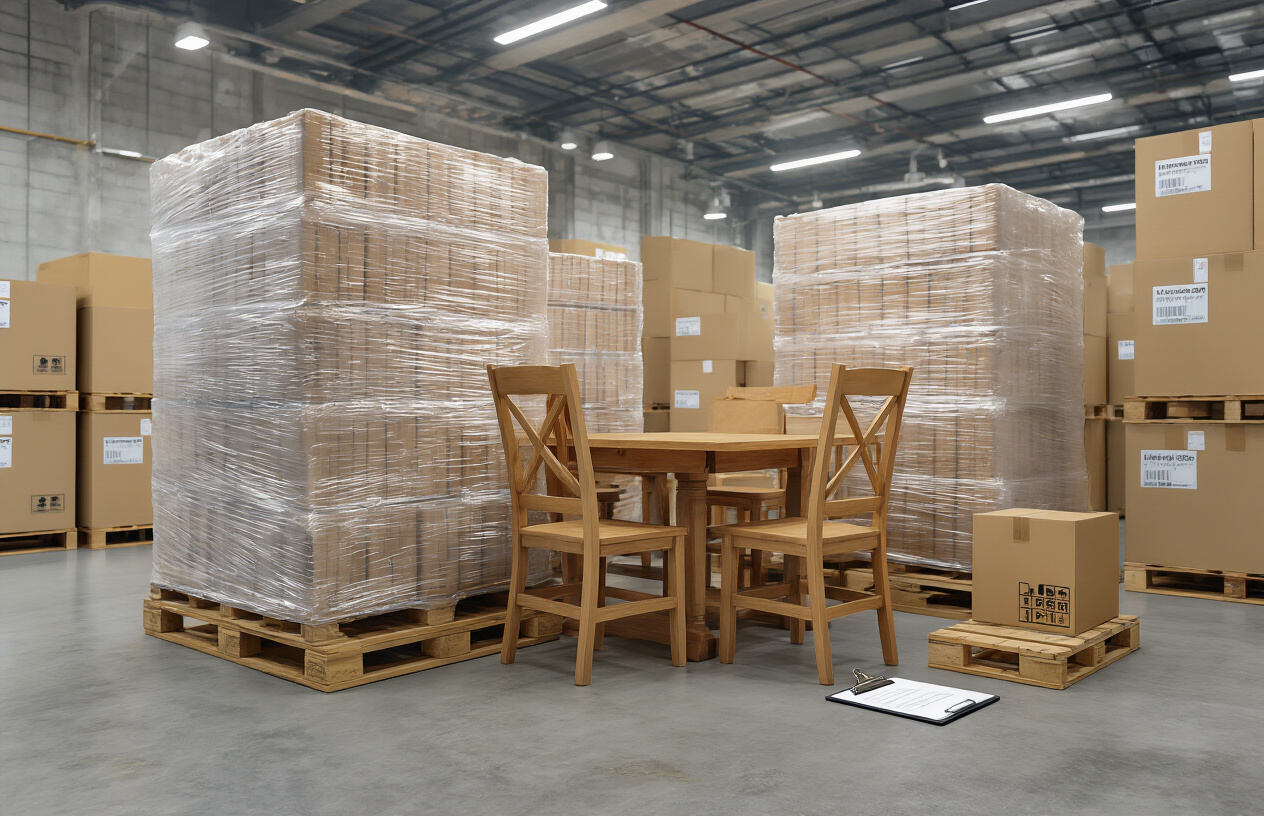
Getting your furniture shipment ready for UAE customs clearance starts with smart packaging choices. Your items need protective wrapping that prevents damage during transport while meeting UAE import regulations furniture standards. Use sturdy corrugated cardboard, bubble wrap, and foam padding for delicate pieces like glass tables or mirrors. Metal furniture should have protective coating to prevent rust during sea transport.
Labeling plays a crucial role in smooth customs clearance UAE processing. Each package must display clear, waterproof labels in English and Arabic showing the contents, country of origin, and handling instructions. Include your commercial invoice number on every box to help customs officers match paperwork with physical goods. Avoid generic labels like "household goods" - instead, specify "wooden dining table" or "fabric sofa set" for faster processing.
Weight distribution matters too. Keep individual packages under 50kg when possible to comply with UAE port handling regulations. This also reduces the risk of damage and makes inspection easier if customs officers need to examine your furniture import UAE shipment.
Certificate of origin and manufacturer declarations
Your certificate of origin serves as proof of where your furniture was manufactured, directly impacting the customs duties furniture UAE calculation. This document must come from an authorized chamber of commerce in the country of manufacture and include specific details about each furniture piece.
Manufacturer declarations provide additional credibility to your furniture shipping UAE documentation. These letters should state the materials used, production methods, and compliance with international quality standards. For wooden furniture, include details about wood treatment processes to meet UAE's strict anti-pest regulations.
Keep these documents organized and easily accessible:
-
Original certificate of origin with official stamps
-
Manufacturer's letterhead declarations
-
Material composition certificates
-
Wood treatment certificates (for wooden items)
Quality and safety compliance documentation
UAE import documentation furniture requirements include specific safety certifications depending on your furniture type. Upholstered furniture needs fire retardancy certificates showing compliance with UAE safety standards. Electronic furniture components require electrical safety approvals from recognized testing laboratories.
Quality compliance goes beyond basic safety requirements. Your documentation should include material testing reports, especially for children's furniture which faces stricter regulations. Paint and finish certificates ensure your items don't contain harmful chemicals that could pose health risks.
Essential compliance documents include:
| Document Type | Required For | Processing Time |
|---|---|---|
| Fire retardancy certificate | Upholstered furniture | 2-3 days |
| Electrical safety approval | Furniture with electronics | 5-7 days |
| Material testing report | Children's furniture | 3-5 days |
| Chemical composition certificate | Painted/finished items | 1-2 days |
Working with furniture customs broker UAE professionals can help identify which specific certifications your shipment needs. They understand current UAE import regulations furniture updates and can guide you through the compliance maze before your goods reach UAE ports.
Navigating the Customs Clearance Process

Step-by-step clearance procedures at UAE ports
When your furniture shipment arrives at any UAE port, the clearance process follows a systematic approach. Start by ensuring your customs broker or agent submits the necessary documentation to UAE Customs through the Dubai Trade platform. This includes your commercial invoice, packing list, bill of lading, and Emirates ID or trade license.
The process begins with cargo arrival notification, followed by document submission within 15 days. UAE Customs then assigns a declaration number and conducts an initial document review. If everything checks out, they'll either grant immediate release or flag the shipment for physical inspection. Smart importers prepare for both scenarios by having all paperwork ready and ensuring their furniture import UAE documentation meets current standards.
Your shipment moves through several checkpoints: port authority clearance, customs examination (if required), duty payment, and final release authorization. Each step requires specific approvals, and missing even one document can halt the entire customs clearance UAE process.
Timeline expectations for different furniture types
Different furniture categories experience varying clearance timelines based on complexity and inspection requirements. Standard residential furniture like sofas, tables, and chairs typically clear within 2-4 working days when documentation is complete and no physical inspection is required.
Antique furniture and luxury items often face extended timelines of 5-10 working days due to mandatory inspections and valuation assessments. Office furniture shipments usually process faster, clearing within 1-3 days, especially when importing through established furniture customs broker UAE partnerships.
| Furniture Type | Standard Timeline | Inspection Probability | Special Requirements |
|---|---|---|---|
| Residential furniture | 2-4 days | 15-25% | Basic documentation |
| Office furniture | 1-3 days | 10-20% | Commercial invoices |
| Antique pieces | 5-10 days | 80-90% | Valuation certificates |
| Luxury furniture | 3-7 days | 40-60% | Brand authenticity |
Wooden furniture may require additional phytosanitary inspections, adding 1-2 days to the process. Shipments arriving during peak seasons (October to March) might experience slightly longer processing times due to higher cargo volumes.
Common inspection points and preparation strategies
UAE Customs focuses on specific areas during furniture inspections. Value verification tops the list - customs officers compare declared values against market prices to ensure accurate duty calculation. Prepare by maintaining detailed invoices with itemized pricing and supporting documentation like manufacturer catalogs or price lists.
Material composition inspections check for restricted substances or materials not meeting UAE import regulations furniture standards. Wood furniture undergoes pest inspection, while upholstered items may be checked for harmful chemicals or non-compliant materials.
Physical inspection points include:
-
Packaging integrity and labeling accuracy
-
Actual quantities versus declared amounts
-
Brand authenticity for designer furniture
-
Country of origin verification
-
Hidden compartments or modifications
Smart preparation involves photographing your furniture before packaging, maintaining detailed inventory lists, and ensuring all items match their documentation exactly. Having backup documentation readily available can speed up any verification process.
Digital customs platform navigation
The UAE's digital customs ecosystem centers around Dubai Trade and other emirates' electronic platforms. Access requires proper registration and user credentials, typically handled by your import clearance services UAE provider.
Key platform features include real-time shipment tracking, document upload capabilities, duty calculation tools, and payment processing systems. Navigate the dashboard by locating your shipment reference number and following the status indicators. Green signals indicate smooth processing, while red flags require immediate attention.
Understanding platform notifications saves valuable time. Automated alerts inform you about document requirements, inspection schedules, and payment deadlines. Most platforms offer mobile apps for on-the-go monitoring, essential for time-sensitive furniture shipping UAE operations.
Common navigation tips include bookmarking frequently used sections, maintaining updated contact information, and regularly checking for system updates or new feature announcements.
Payment processing for duties and fees
Customs duties furniture UAE payments must be processed promptly to avoid storage charges and delays. The UAE accepts multiple payment methods including bank transfers, certified cheques, and approved electronic payment systems.
Duty calculations depend on furniture classification, country of origin, and declared value. Standard rates range from 5-15% for most furniture categories, with additional VAT at 5%. Luxury items may attract higher duty rates, while certain trade agreement countries enjoy preferential rates.
Payment processing steps:
-
Review duty assessment notice
-
Verify calculation accuracy
-
Choose preferred payment method
-
Submit payment confirmation
-
Obtain official receipt
Processing typically completes within 2-4 hours for electronic payments, while bank transfers may take 24-48 hours. Keep payment receipts as proof for cargo release authorization. Some ports offer express payment counters for urgent clearances, though premium charges may apply.
Understanding furniture import costs UAE upfront helps budget accurately and prevents unexpected expenses that could delay clearance.
Cost Optimization Strategies for Furniture Imports

Duty Calculation Methods and Potential Savings
Understanding how customs duties work for furniture import UAE can save thousands of dirhams on your shipments. The UAE applies a standard 5% import duty on most furniture items, calculated on the CIF (Cost, Insurance, Freight) value. However, smart importers know several ways to optimize these costs.
The CIF valuation method offers the biggest opportunity for legitimate savings. By working with suppliers to properly allocate costs between the goods and shipping, you can ensure accurate but optimized duty calculations. Some importers also benefit from the transaction value method when dealing with related parties, provided the relationship doesn't influence pricing.
Consider the country of origin carefully. Furniture from GCC countries enjoys duty-free entry under regional trade agreements. Items from certain countries with preferential trade agreements may qualify for reduced rates. Always verify certificates of origin to claim these benefits.
Proper classification under HS codes makes a significant difference. Office furniture (HS 9403.10) might qualify for different rates than bedroom furniture (HS 9403.50). Professional customs brokers specializing in furniture customs broker UAE services can identify the most favorable classification for your specific items.
Free Zone Advantages for Furniture Importers
UAE's free zones offer compelling benefits for furniture businesses looking to reduce furniture import costs UAE. Companies operating within designated free zones like Jebel Ali Free Zone (JAFZA) or Dubai South enjoy 100% foreign ownership, zero customs duties on imports, and streamlined customs clearance UAE procedures.
Free zone businesses can import furniture without paying the standard 5% duty, provided goods remain within the zone or are re-exported. This creates opportunities for furniture distributors to establish regional hubs, importing large volumes duty-free before distributing to local markets as needed.
The re-export model works particularly well for high-value furniture pieces. Import containers to the free zone, store inventory duty-free, then clear smaller quantities for local distribution when orders come in. This approach improves cash flow and reduces working capital requirements.
Free zones also offer simplified documentation requirements and faster clearance times. Standard UAE import documentation furniture processes can take 2-3 days, while free zone clearance often completes within hours.
Consolidation Benefits for Multiple Shipments
Smart consolidation strategies can cut furniture shipping UAE costs by 30-40% compared to individual shipments. Less-than-container-load (LCL) consolidation works well for smaller furniture importers who can't fill entire containers.
Ocean freight consolidation allows multiple furniture types or different suppliers' products to share container space. A 40-foot container can accommodate roughly 20-25 cubic meters of furniture, making it cost-effective for orders above $15,000-20,000.
Air freight consolidation benefits high-value, low-volume furniture pieces. Luxury items or urgent replacements can share cargo space on regular flights, reducing per-kilogram costs while maintaining speed advantages.
Working with consolidators who specialize in the UAE furniture import process provides additional benefits. These companies handle customs documentation, coordinate with multiple suppliers, and often have preferential rates with shipping lines and airlines.
Consider seasonal consolidation patterns. Furniture demand peaks during certain months, and consolidating shipments during these periods can reduce costs while ensuring stock availability when customers need it most.
Avoiding Common Clearance Delays and Penalties

Frequent Documentation Errors and Prevention Tips
Missing or incomplete commercial invoices rank as the top cause of customs delays for furniture import UAE operations. Your invoice must include detailed item descriptions, material composition, country of origin, and exact dimensions for each piece. Generic descriptions like "wooden furniture" won't cut it - specify "solid oak dining table, 180cm x 90cm x 75cm" instead.
Packing lists often contain mismatched quantities between what's declared and what's actually shipped. Double-check your container contents against documentation before sealing. Certificate of origin discrepancies create major headaches, especially when furniture components come from different countries. Ensure your supplier provides accurate manufacturing location details.
Import permit applications frequently get rejected due to incomplete regulatory compliance documentation. Furniture containing certain materials requires additional certifications, so verify requirements early in the process. Keep digital copies of all documents in multiple formats - customs officers may request specific file types.
Common prevention strategies include creating document checklists for each shipment type, establishing verification protocols with suppliers, and maintaining template libraries for standard paperwork. Many importers benefit from pre-clearance document reviews with their UAE furniture import process specialists.
Prohibited Materials and Restricted Furniture Items
UAE customs strictly prohibits furniture containing endangered wood species, regardless of origin certificates. Rosewood, ebony, and certain mahogany varieties face complete import bans. Furniture with ivory inlays or decorations will be confiscated without compensation.
Items containing radioactive materials or asbestos face immediate seizure. Vintage furniture, particularly pieces manufactured before 1980, often contains restricted materials in finishes or padding. Modern flame-retardant chemicals in upholstery may also trigger restrictions depending on chemical composition.
Religious or culturally sensitive decorative elements can cause clearance issues. Furniture featuring religious symbols, human figurines, or artwork depicting people or animals may face scrutiny or rejection. Antique pieces with historical significance sometimes require special import licenses.
Restricted items include:
-
Furniture containing more than trace amounts of lead paint
-
Pieces with mercury-based components
-
Items with certain flame-retardant chemicals
-
Furniture incorporating protected plant or animal materials
-
Pieces exceeding dimensional limits for specific import categories
Inspection Failure Recovery Procedures
Physical inspection failures don't automatically mean shipment rejection. UAE customs allows correction opportunities for many issues, provided you act quickly and follow proper protocols. Document discrepancies discovered during inspection can often be resolved by submitting corrected paperwork within 48 hours.
Quality standard violations require immediate corrective action plans. If furniture fails safety inspections, you'll need to provide remediation proposals - whether through supplier corrections, third-party modifications, or alternative compliance demonstrations. Re-inspection fees apply, but these costs pale compared to shipment rejection penalties.
Storage costs accumulate daily during correction periods, making speed essential. Engage your customs clearance UAE team immediately when inspection issues arise. They can coordinate with customs officers, arrange temporary storage extensions, and expedite correction procedures.
Recovery timelines vary by violation type:
-
Documentation errors: 2-5 business days
-
Material compliance issues: 1-2 weeks
-
Safety standard violations: 2-4 weeks
-
Complex regulatory matters: 4-8 weeks
Appeal Processes for Disputed Classifications
Tariff classification disputes can significantly impact your furniture import costs UAE, making appeals worthwhile for substantial shipments. The UAE customs appeals process follows structured timelines - you have 20 working days from the initial decision to file formal appeals.
Submit appeals through the official customs portal with supporting evidence including product specifications, international classification precedents, and expert opinions. Technical documentation proving your classification position strengthens appeal success rates. Include photographs, material composition reports, and functionality descriptions.
Independent classification reviews by certified trade experts often support successful appeals. These specialists understand UAE import regulations furniture requirements and can provide compelling technical arguments. Their reports carry significant weight in appeal proceedings.
The appeals process typically takes 30-60 days for resolution. During this period, you can choose to pay disputed duties and claim refunds later, or halt clearance pending appeal outcomes. Each approach has financial implications - paying enables immediate release but ties up capital, while waiting avoids upfront costs but incurs storage fees.
Second-level appeals to customs tribunals remain available if initial appeals fail, though success rates decrease and legal representation becomes advisable for complex cases.
Working with Professional Clearance Services

Benefits of Hiring Licensed Customs Brokers
Licensed customs brokers bring specialized expertise to your furniture import UAE operations that's nearly impossible to replicate internally. These professionals handle hundreds of shipments monthly and stay current with changing UAE import regulations furniture requirements. They maintain direct relationships with customs officials and understand the nuances of furniture classification codes that can significantly impact duty calculations.
Professional customs clearance UAE agents streamline documentation processes by preparing accurate commercial invoices, packing lists, and certificates of origin. They know exactly which supporting documents customs authorities expect for different furniture categories and can spot potential issues before they become costly delays. Many brokers also offer integrated warehousing and transportation services, creating seamless end-to-end solutions.
The technology advantage is substantial. Established clearance services use advanced customs management systems that interface directly with UAE customs platforms, reducing processing times and minimizing human errors. These systems maintain historical records of your imports, making repeat shipments faster and ensuring consistency in product classifications.
Risk mitigation represents another key benefit. Licensed brokers carry professional liability insurance and assume responsibility for compliance errors. They understand penalty structures and can negotiate with authorities when disputes arise. This protection proves invaluable when dealing with high-value furniture shipments where mistakes can result in thousands of dollars in additional costs.
Service Comparison Criteria for Optimal Selection
When evaluating furniture customs broker UAE options, track record and industry specialization should top your criteria list. Request client references specifically from furniture importers and verify their experience with your product categories. Some brokers excel with residential furniture while others specialize in commercial or antique pieces.
| Evaluation Factor | Questions to Ask | Red Flags |
|---|---|---|
| Licensing & Credentials | Valid UAE customs broker license? | Reluctance to show credentials |
| Technology Capabilities | Real-time tracking systems? | Manual processes only |
| Response Times | Average clearance duration? | Vague timelines |
| Cost Structure | Transparent fee breakdown? | Hidden charges |
| Insurance Coverage | Professional liability limits? | No coverage offered |
Geographic coverage matters for furniture shipping UAE operations. Brokers with offices at multiple entry points (Jebel Ali, Abu Dhabi, Sharjah) can handle shipments arriving at different ports without coordination delays. Evaluate their physical presence at your preferred entry points and their relationships with local freight forwarders.
Technology integration capabilities directly impact efficiency. Ask about their customs management systems, automated documentation features, and client portal access. The best services provide real-time shipment tracking, electronic document submission, and mobile alerts for status updates.
Communication protocols reveal operational quality. Professional services assign dedicated account managers who understand your business requirements and can provide proactive updates. They should offer multiple communication channels and maintain detailed records of all interactions.
Cost-Benefit Analysis of Professional Versus Self-Clearance
Furniture import costs UAE extend far beyond broker fees when comparing professional versus self-clearance options. Self-clearance requires dedicating internal staff time to learning complex regulations, maintaining current documentation requirements, and physically visiting customs offices for approvals. A single clearance mistake can result in penalty fees exceeding annual broker costs.
Time investment calculations reveal hidden self-clearance expenses. First-time clearance attempts often require multiple customs office visits, document revisions, and extended storage fees while learning proper procedures. Professional services typically clear standard furniture shipments within 24-48 hours, while self-clearance can stretch over weeks for complex cases.
The learning curve for UAE furniture import process compliance is steep. Customs regulations change frequently, and staying current requires continuous education. Professional brokers invest in ongoing training and maintain regulatory subscriptions that would be cost-prohibitive for individual importers.
Storage and demurrage costs compound quickly during extended clearance periods. Containers accumulate daily charges at port facilities, and these fees often exceed broker costs within the first week. Professional services minimize storage exposure through efficient processing and established relationships with terminal operators.
Penalty risk assessment shows significant exposure differences. Incorrect product classifications, missing documentation, or valuation disputes can trigger substantial fines. Professional brokers' experience reduces penalty risks and their insurance coverage provides additional protection. Self-clearance mistakes become direct business expenses with no recourse options.
Import clearance services UAE also provide value through duty optimization strategies. Experienced brokers understand classification nuances that can legally reduce duty rates and know when to request binding rulings for unusual furniture pieces. These savings often offset service fees entirely while providing ongoing benefits for repeat shipments.

Importing furniture to the UAE doesn't have to be a stressful experience when you know what to expect. From understanding the specific regulations and documentation requirements to preparing your shipment properly, each step plays a crucial role in smooth customs clearance. Smart cost management and working with experienced professionals can save you both time and money while keeping your goods moving through the system efficiently.
The key to successful furniture imports lies in preparation and choosing the right partners. By staying organized with your paperwork, understanding the fee structure, and avoiding common pitfalls, you'll find the process much more manageable. Consider partnering with a reliable customs clearance service that knows the UAE market inside and out – their expertise can make all the difference in getting your furniture delivered on time and within budget.
How KGRN Shipping Company Can Assist
At KGRN Chartered Accountants, we specialize in guiding businesses through UAE import regulations with precision and efficiency. Our team offers end-to-end services, including documentation preparation, duty optimization, VAT filing, and compliance audits. With years of experience in the UAE market, we help furniture importers avoid pitfalls and focus on growth. Contact us today for a consultation tailored to your needs.
Conclusion
Mastering furniture import customs clearance in the UAE is essential for successful market entry. By following the outlined procedures, preparing the right documents, and understanding duties, you can streamline your operations. Remember, professional support from firms like KGRN ensures compliance and cost savings. Stay informed on updates, and your imports can contribute to the UAE's dynamic economy.

Comments
Post a Comment